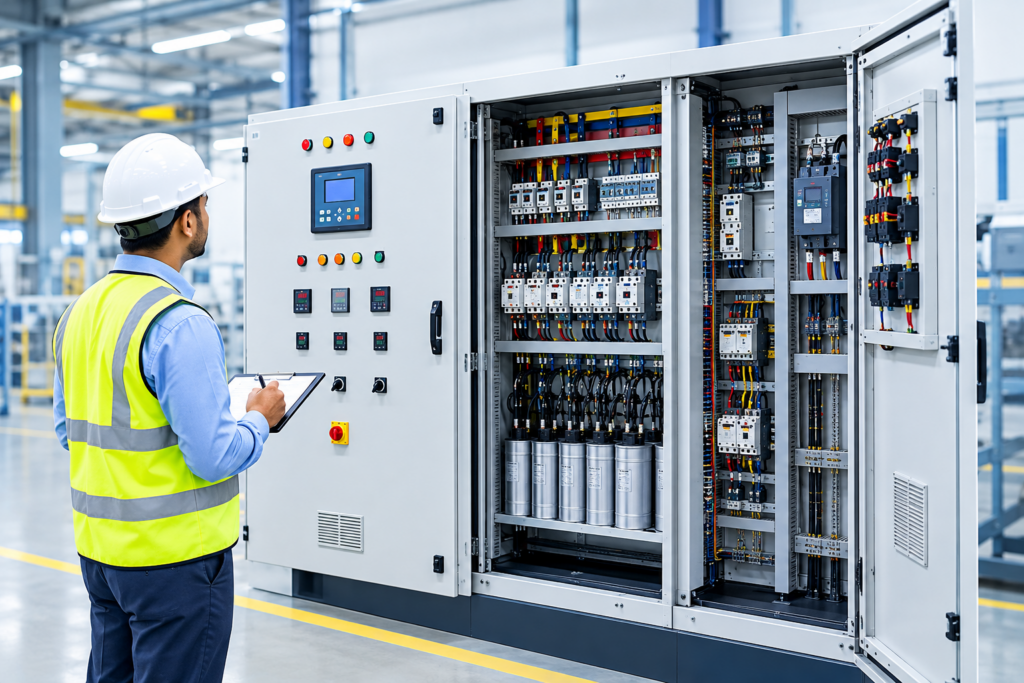
When it comes to industrial electrical systems, choosing the right PCC panel manufacturers is an important decision. A power control centre panel is responsible for receiving and distributing electrical power to different loads within a facility. Since it becomes a key part of the electrical distribution system, the panel needs to be designed and built according to the actual requirements of the installation. Choosing a manufacturer only by comparing prices may not always give you the right solution. The quality of materials, panel design, manufacturing practices, testing procedures, and after-sales support can all affect the long-term performance of the panel.
Before placing an order, it is worth taking some time to check what the manufacturer can actually provide. Here are five important things to consider when selecting PCC Panel Manufacturers in Chennai for your project.
The first thing to look at is the manufacturer’s experience in designing and manufacturing PCC panels. Electrical panels may look similar from the outside, but their internal arrangement and specifications can vary significantly depending on the applications. An experienced manufacturer should understand different industrial requirements and be able to suggest a panel configuration based on the project’s electrical load, operating conditions, available space and future requirements.
A manufacturer with relevant experience should be familiar with areas such as:
You can also ask about the types of industries they have previously supplied panels for. Experience in manufacturing panels for factories, commercial buildings, infrastructure projects, process industries, or other demanding applications can give you a better understanding of their capabilities. The goal is not simply to find a manufacturer that has been in the market for a long time. What matters is whether they have experience that matches your specific electrical requirements.
A PCC panel consists of several electrical and mechanical parts, with the reliability of a panel directly depending on the quality of the components that it uses. Enquire about the brand and specifications of parts used before choosing a manufacturer. This can include circuit breakers, contactors, relays, meters, busbars, terminals, control devices, and different add-on equipment. The panel enclosure is another thing that needs to be taken into account. The enclosure should have suitable mechanical strength and protection for the environment in which it will be installed. The requirements for the panel in a clean room in a secure electrical room inside may differ from those in a dusty or exigent industrial scenario.
Another key region that needs to be examined is the busbar system. To ensure safe distribution of currents, the proper sizing, insulation, spacing, supports, and connections of busbars are essential. Installation of these items is in situations that can cause unnecessary heating and electrical issues if done poorly. It’s also good to ask if the manufacturer has a consistent materials inspection process prior to component usage in product manufacture. A good panel has more to it than an enclosure made of metal and stacked with electrical components. All parts must function as a well-designed system.
All industrial installations are not the same in electrical needs. That’s why a manufacturer with the ability to tailor the PCC panel to your project may benefit you more than a standard setup. Talk in detail about your entire requirement with the technical team at the manufacturer you’re considering finalising. Provide data like connected load, power supply, number of feeders, load type, operating conditions, installation location and installation space.
The requirements should be discussed with the manufacturer, who should then be able to design an appropriate panel. Expansion is not always taken into consideration when designing properties. If you will have additional machinery or electrical loads to add to your facility in the near future, it may be good to discuss with the manufacturer what additional panel space may be available, in addition to any spare feeder provisions. A well-designed PCC panel will allow for easier and less extensive changes to the electrical distribution network for the future.
Customisation may involve:
One of the most critical stages prior to a PCC panel departure at the manufacturing plant is testing. All the components of a panel could be of good quality, but still the proper inspection and testing have to be carried out to identify any issues before the installation. Discuss with the manufacturer the tests performed on the finished panel. Testing can be conducted on various aspects of the panel, including wiring, insulation, dielectric strength, protection circuits, mechanical functioning and performance. They can also detect issues like loose connections, mismatched wiring, damaged parts, wrong labelling or breaker issues with regular monitoring. Documentation is also of critical importance.
Enquire whether the manufacturer can supply the necessary drawings, test reports, component information, and other documents needed along with the finished panel. Providing information to the project team before the panel arrives is helpful for a clear testing process. Also, review the manufacturer’s manufacturing and testing procedures for compliance with the applicable electrical standards and project requirements. If your project has any particular client, consultant or statutory requirements, please explain these prior to manufacture and not after the panel is manufactured.
The working relationship between a PCC panel manufacturer does not necessarily stop at delivery of the PCC panel. During the panel’s service life, it may be required to provide technical assistance for installation and commissioning, troubleshooting and maintenance. Ask a prospective manufacturer what their support following delivery is. In addition, when the panel is part of a critical electrical system, response time can also be a factor.
If there is a problem on worker-to-wire, such as a faulty machine or power supplies being down, it could cause major delays in production. It is easier to troubleshoot or maintain a manufacturing facility that is familiar with the panel design and components. It’s important, especially in industrial plants where electrical appliances are running up to the limit of their capacity or maintaining a process constantly. It makes sense to consider after-sales support before ordering, and not after the order, because it’s considered something that will be provided later.
You might be looking to find out if they help to support you with:
When it comes to industrial projects, the cost is of course a critical factor, but you can have issues down the road if you compare manufacturers of PCC panels based on the original quote. There can be two versions of the same external test data that show the same specification but internally have an entirely different quality of components, construction, testing, documentation, and support. These price differences may not be apparent from the price. To get the best quote, compare not only the lowest price, but also see what each manufacturer’s quote includes.
Check out brands of components, electrical rating, panel construction, scope of testing, warranties, documentation, delivery timing, and a service plan. This will offer you a more accurate standpoint on the value as a whole. If the panel is more closely matched to the operating needs of the project, then perhaps a slightly different initial investment would be justified and supported adequately during the service life of the panel.
Choosing PCC Panel Manufacturers in Chennai is not just a process of picking one who has the capability of manufacturing and delivering a power panel. The manufacturer becomes an integral component of a project’s electrical system, beginning with the design phase all the way through manufacture, testing, installation and the subsequent service. The first step is to evaluate them in terms of technical experience and manufacturing capabilities. Next, examine the quality of any components or materials they use. Ensure they have the ability to adjust the panel to suit your electrical needs, and check their testing and inspection practices.

© 2025 CGK Static Power Solutions | All Rights Reserved | Developed By